I have watched every World Cup since I was old enough to understand what offside meant, and I have never seen a tournament like the 2026 one. Forty-eight teams. One hundred and four matches. Sixteen cities in three countries. Thirty-nine days of football that ended with Spain beating Argentina 1-0 after extra time at MetLife Stadium on July 19, 2026, in front of more than 80,000 people. If you missed any of it, or you just want the whole story in one place, this is the guide I wish I had read before it started — and the one I am glad I can write now that it is over.
The tournament ran from June 11 to July 19, 2026, across the United States, Mexico and Canada. It was the first World Cup hosted by three countries, the first with 48 teams, and the first with 104 matches — up from 64 in Qatar 2022. The final draw was held on December 5, 2025, in Washington D.C., and the play-offs finished on March 31, 2026, which is when the last of the 48 teams finally knew they were in. I followed the whole thing, and I am going to walk you through how it worked, what happened, and the moments I will still be talking about in ten years.
The basics: when, where, and how big
Let me get the headline numbers out of the way first, because they are the reason this tournament felt different from every World Cup before it. The opening match was on June 11, 2026, at Estadio Azteca in Mexico City — Mexico beating South Africa 2-0 in front of a home crowd at the stadium that hosted the 1970 and 1986 finals, making it the first stadium ever to host three World Cups. The final was on July 19 at MetLife Stadium in East Rutherford, New Jersey, which FIFA called New York New Jersey Stadium for the tournament. Kick-off was 3 p.m. Eastern Time.
Between those two dates, 48 teams played 104 matches in 16 stadiums across 16 cities. The United States hosted 11 of them — Atlanta, Boston, Dallas, Houston, Kansas City, Los Angeles, Miami, New York/New Jersey, Philadelphia, San Francisco Bay Area and Seattle — and staged 78 of the 104 matches, including every game from the quarter-finals onward. Mexico had three cities, Mexico City, Guadalajara and Monterrey. Canada had two, Toronto and Vancouver. That spread is the first thing anyone planning a trip got wrong: the host cities are thousands of miles apart, across four time zones, and the smart fans picked one regional cluster and stayed put.
How the 48-team format actually worked
The format was the thing I was most nervous about before the tournament, and honestly it worked better than I expected. The 48 teams were split into 12 groups of four, labelled A to L. The top two from each group went through, plus the eight best third-placed teams, making a round of 32. From there it was straight knockout: round of 32, round of 16, quarter-finals, semi-finals, third-place match, final. The group stage ran from June 11 to June 27, and the knockouts started on June 28.
The fear was that 48 teams would mean too many dead games and too many mismatches. In practice the extra round of 32 gave us more of what makes World Cups great: more debutants, more small nations with a real chance to play a giant, and more chaos. The group stage still had its flat spots — any tournament with 104 matches will — but the new round meant the jeopardy started earlier, and the best third-placed race kept groups alive into the final matchday in a way the old format never quite managed.
One thing the format did change, and I think this matters: the path to the final was longer. The champions had to win eight matches, not seven. Spain played eight games and conceded one goal in the entire tournament. One. That is the defensive record that won them the trophy, and it is worth remembering when people talk about this Spain team only in terms of pretty passing.
The road to the final: Spain's machine and Argentina's nerve
Spain arrived as the favourites, and for once the favourites delivered. They were ranked number two in the world, they were the reigning European champions, and the betting markets had them at around +450 before a ball was kicked — the shortest price in the field, just ahead of France. Under Luis de la Fuente they played the most controlled football in the tournament: they beat Austria 3-0, Portugal 1-0, Belgium 2-1 in the quarter-final, and then produced the statement result of the whole competition, a 2-0 win over France in the semi-final in Dallas. France were ranked number one in the world and had the tournament's top scorer in Kylian Mbappé, and Spain smothered them. That semi-final is the game I would show anyone who asks what this Spain team was about.
Argentina's road was the opposite — pure nerve. The defending champions, with Lionel Messi playing his last World Cup at 39, edged Cape Verde on penalties after a 1-1 draw, beat Egypt 3-2, needed penalties again to get past Switzerland in the quarter-final after another 1-1, and then beat England 2-1 in the semi-final in Atlanta with two late goals.
And the upsets were real. Brazil, the pre-tournament favourites among the non-European heavyweights at around 11 percent title odds, topped their group and beat Japan 2-1 in the round of 32, then ran into Norway in the last 16 and lost 2-1. Germany and the Netherlands both won their groups and both lost on penalties in the round of 32. The four semi-finalists, though, were the four highest-ranked teams in the world — France, Spain, Argentina and England — which tells you something honest about this tournament: the chaos was real, but pedigree still decided the last four.
The final: 120 minutes that felt like a chess match
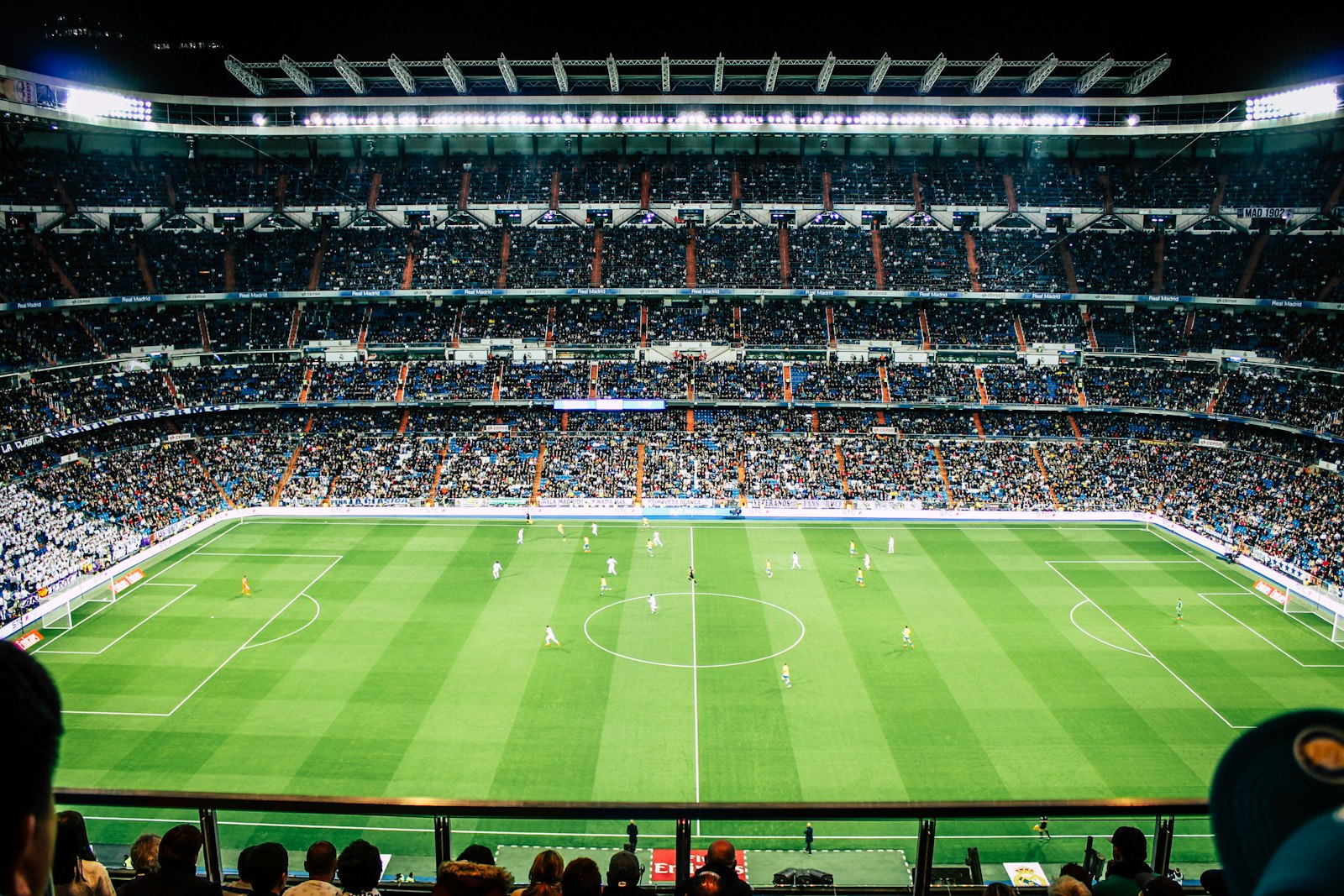
I watched the final the way most of the world did, and I have to be honest about what it was: tense, cagey, and for long stretches genuinely hard to watch. Spain had 65 percent of the possession, 20 shots to Argentina's two, and an expected goals tally of 1.94 against 0.17. Argentina did not manage a single shot on target in 120 minutes — with Lionel Messi on the pitch. Their first shot of any kind came in the 115th minute. Emiliano Martínez made 11 saves, a record for a World Cup final, and he was the only reason it stayed close.
The game turned in the 93rd minute, right at the end of normal time, when Enzo Fernández picked up a second yellow card for a late challenge on Pau Cubarsí. Argentina played all of extra time with ten men. The winner came 39 seconds into the second period of extra time, in the 106th minute: Pedro Porro crossed, Nico Williams headed it back across the box, and substitute Ferran Torres lashed it home first time. Spain 1-0. It was Torres's goal, but it was Nico Williams's header that made it, and it was the kind of goal that only happens when a team keeps believing its football will eventually break a defence down.
Messi finished the game with 15 touches. At 39 years and 25 days he was the oldest outfield player ever in a men's World Cup final, and Argentina's plan — sit deep, foul, survive, hope for penalties — nearly worked. Spain were the better team on the day and across the tournament, and their second World Cup, 16 years after their first in South Africa in 2010, was earned the hard way.
The numbers that defined the tournament
A few numbers from this World Cup have stuck in my head since July, and I think they tell the story better than any match report. Kylian Mbappé finished as the Golden Boot winner with 10 goals, which also made him the top scorer in World Cup history with 22, one ahead of Messi. Ousmane Dembélé added six. Jude Bellingham scored seven for England, the most ever by an England player at a single World Cup, and Harry Kane added six. England, by the way, finished third — they beat France 6-4 in a wild third-place match in Miami on July 18, their best finish since winning the whole thing in 1966.
Spain conceded one goal in eight matches. That is the number I keep coming back to. For all the talk about their attack — Lamine Yamal, Nico Williams, Torres off the bench — this tournament was won by a defence that simply did not give goals away. France scored freely all tournament and could not score against Spain in the semi-final. Argentina could not even shoot.
What this World Cup changed
I think this tournament changed two things for good. First, the 48-team format is not going back. FIFA has its template now: 12 groups, a round of 32, 104 matches, three countries if it wants them. The 2030 tournament is already set for six countries across three continents, and the 2026 experiment is the reason nobody at FIFA is nervous about that. Second, it changed what a World Cup final can look like off the pitch — the halftime show, the dynamic ticket pricing, the sheer commercial scale, with FIFA projecting roughly $13 billion in revenue. Whether that is good for football is a real argument. But the football itself was decided the old-fashioned way: the best team won, by one goal, in extra time.
Conclusion
I went into this World Cup worried it would be too big, too spread out, and too commercial to feel like a World Cup. I came out of it thinking it was one of the best I have watched. The format worked. The semi-finals were the four best teams in the world. The final was decided by a substitute scoring in extra time after his team had dominated a match they could not finish in 90 minutes. Spain are champions for the second time, Argentina's golden generation finally ran out of road, England finished third for the first time in 60 years, and Mbappé became the highest scorer in World Cup history.
If you only remember one thing from this tournament, make it this: Spain conceded one goal in eight matches and won the World Cup in extra time at MetLife Stadium. Everything else — the 48 teams, the 104 matches, the three countries — was the stage. That was the story.
Frequently Asked Questions
Who won the FIFA World Cup 2026?
Spain won their second World Cup, beating Argentina 1-0 after extra time in the final at MetLife Stadium, New York/New Jersey, on July 19, 2026. Ferran Torres scored the only goal in the 106th minute.
When was the World Cup 2026 played?
From June 11 to July 19, 2026 — 39 days, 104 matches, across the United States, Mexico and Canada. The opening match was Mexico vs South Africa at Estadio Azteca in Mexico City on June 11.
How many teams played in the 2026 World Cup?
48 teams, up from 32 in 2022 — the first expanded tournament. They were split into 12 groups of four, with the top two from each group plus the eight best third-placed teams going into a new round of 32.
Which cities hosted World Cup 2026 matches?
16 cities: 11 in the United States (Atlanta, Boston, Dallas, Houston, Kansas City, Los Angeles, Miami, New York/New Jersey, Philadelphia, San Francisco Bay Area, Seattle), three in Mexico (Mexico City, Guadalajara, Monterrey) and two in Canada (Toronto, Vancouver).
Who finished third at the 2026 World Cup?
England, who beat France 6-4 in the third-place match in Miami on July 18, 2026 — England's best World Cup finish since winning the tournament in 1966.
Who was the top scorer at the 2026 World Cup?
Kylian Mbappé of France, with 10 goals. His tally also made him the all-time top scorer in World Cup history with 22 goals, one ahead of Lionel Messi.