When I first saw the headline — Sam Altman in a room with 50 Samsung executives — my first thought as a developer was not about the photo opportunity. It was about the hardware. Every AI feature I ship, every model I call from an app, every site I optimise runs on memory chips and data centre capacity. And right now, both are under serious strain. That is the real story behind Altman's trip to South Korea on October 31, 2026.
Here is what actually happened, what was not announced, and why it matters if you build websites, apps or anything that touches AI.
What happened in Yongin on October 31
According to Bloomberg, OpenAI chief executive Sam Altman met with Samsung Group's top executives in South Korea on Saturday, October 31, 2026, to deepen cooperation on memory chips and AI infrastructure as global shortages intensify.
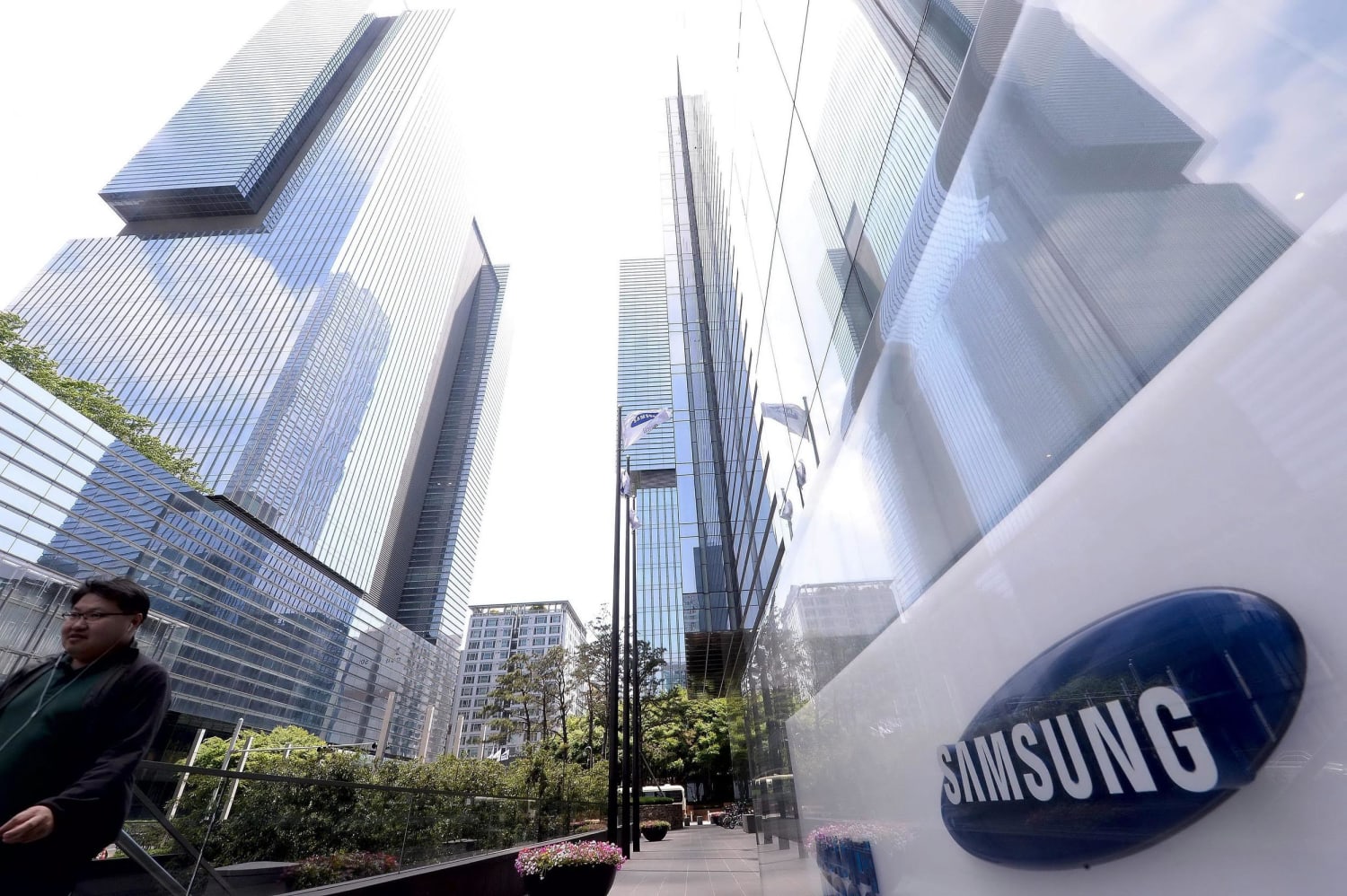
Samsung hosted the session at a company training centre in Yongin, in Gyeonggi Province, south of Seoul. About 50 executives attended, drawn from its electronics, financial and biotechnology affiliates. Korean outlets described the gathering as a leadership seminar for the presidents of Samsung's major affiliates, focused on the company's drive for AI transformation.
The discussions, according to Samsung's statement, focused on how artificial intelligence can reshape industries, corporate decision-making and business opportunities over the next decade. That is a deliberately broad framing, and it is worth pausing on it: this was a strategy session with the people who run a conglomerate spanning phones, chips, finance and biotech — not a product launch, and not a procurement meeting with a press release attached.
Altman also had lunch in Seoul with SK Group chairman Chey Tae-won, and local media reported meetings with SK Hynix executives — unconfirmed by Samsung, but consistent with a trip aimed at the memory industry, not one company.
The part everyone missed: no new deal was announced
Here is the detail that most of the excited coverage skipped over, and it is the most important one for anyone trying to read this story honestly: no new commercial agreement came out of the meeting. No outlet covering the event reported a signed contract, a chip allocation, a delivery schedule or a dollar figure from the day itself.
That does not make the meeting unimportant. When the head of the world's most watched AI company sits down with the leadership of the world's largest memory chip maker during a shortage, the conversation itself is the signal.
Why memory chips are suddenly the centre of the AI story
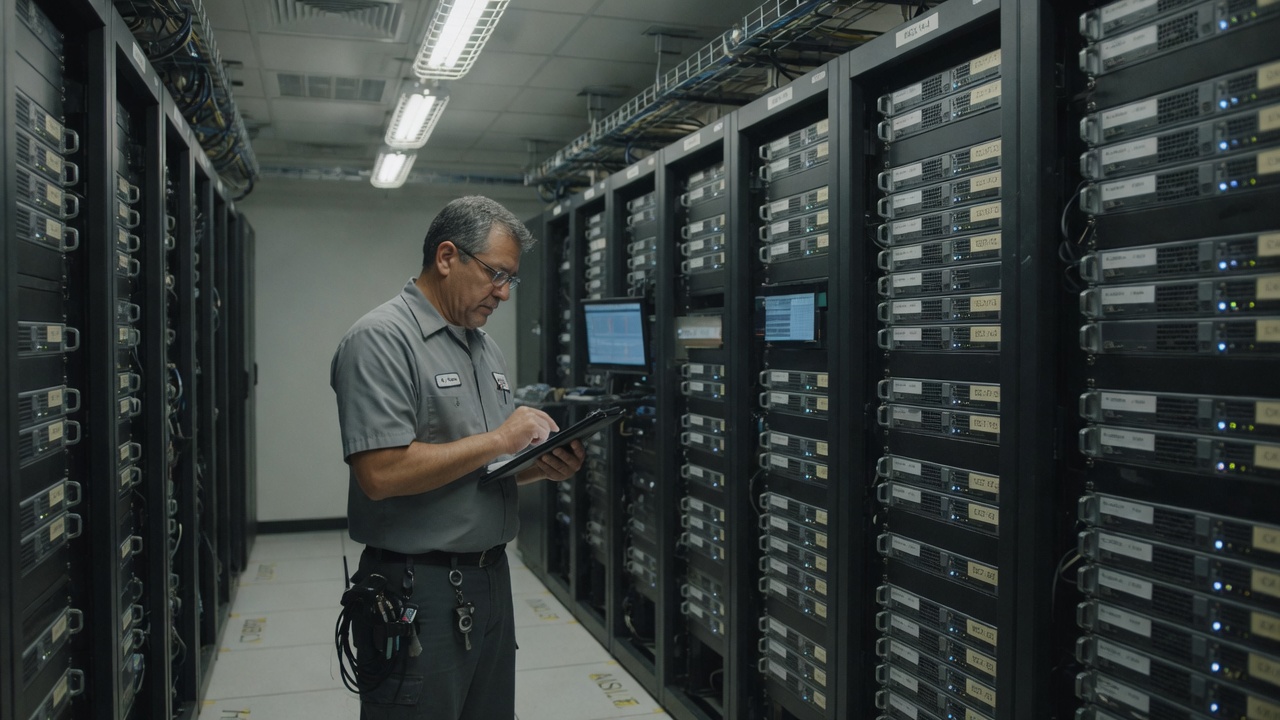
If you are a developer, you probably think about AI in terms of models, prompts and APIs. The industry's bottleneck has quietly moved one layer down the stack, to the physical stuff: high-bandwidth memory, the chips that feed data to AI accelerators, and the data centres that house them.
Samsung is one of only a handful of companies in the world that can produce advanced memory at scale. OpenAI, meanwhile, is building out Stargate, its vast AI infrastructure programme, which needs enormous quantities of exactly that memory. The two companies already have a relationship here: under previously announced strategic partnerships with Samsung and SK, OpenAI said the cooperation would focus on increasing the supply of advanced memory chips and expanding data centre capacity in South Korea — including floating offshore facilities.
The numbers underline the urgency. Two days before the meeting, Samsung reported third-quarter capital expenditure of 29 trillion won — up 12.2 trillion won on the previous quarter and 19.8 trillion won year on year. Analysts reading those results noted that roughly 94 percent of that spending went to the chip division, while Samsung's memory business reported record results amid capacity constraints. In plain language: Samsung is pouring money into making more chips, and still cannot make enough to meet demand comfortably.
The $230 keyboard that stole the headlines
Of course, the internet being the internet, the detail that travelled furthest was not the chip strategy. It was a gift.
Altman presented Samsung executives with a $230 keyboard called the Codex Micro. It has just 13 mechanical keys and is not designed for conventional typing at all. Instead, it works as a physical control panel for managing OpenAI's Codex coding agent. OpenAI developed it with keyboard specialist Work Louder.
It is easy to laugh this off as a novelty, but I think it is a revealing little artefact. Altman has argued that as voice instructions and AI agents become more common, computers may need fewer conventional keyboard controls. The Codex Micro is that idea made physical: a device built for supervising an AI that writes code, rather than typing every line yourself. Altman's message to the executives, as reported by Yonhap and SBS News, fits the same theme: simply using AI will no longer guarantee a competitive advantage — the edge is in how you use it to move faster and build better products.
What this means for developers and website builders
So what does a closed-door meeting in Yongin actually change for people like us, who build WordPress sites, web apps and client projects? More than it might seem. Here is how I am reading it.
First, expect AI infrastructure costs to stay volatile. When memory is scarce, everything downstream gets more expensive or less predictable: GPU capacity, API pricing, cloud hosting and the AI features baked into the tools we use every day. If you price client work that depends on AI APIs, build in room for that volatility rather than assuming today's prices hold.
Second, on-device AI is going to matter more. Samsung makes the phones in hundreds of millions of pockets. Deeper OpenAI-Samsung cooperation could eventually mean more capable AI running directly on devices rather than in the cloud — faster, more private, and less dependent on a data centre connection. For mobile-first web experiences, that is a trend worth watching closely.
Third, coding agents are becoming a normal part of the workflow, not a curiosity. The Codex Micro is a fun talking point, but the underlying shift is serious: supervising AI coding agents is becoming a skill in its own right. If you have not yet built agent-assisted coding into your process — reviewing, testing and guiding rather than typing everything by hand — now is the time to start experimenting. The developers who learn to direct these tools well will outpace those who ignore them.
Fourth, watch the supply chain, not just the model releases. Model announcements get the headlines, but chip supply, data centre capacity and energy availability decide what those models actually cost to run. The Yongin meeting is a reminder that the AI race is now an infrastructure race, and infrastructure moves slowly even when software moves fast.
The bigger picture: AI's centre of gravity is shifting
There is a broader shift visible in this story. For the past few years, the AI conversation has been dominated by labs and model releases. Now the decisive meetings are happening with chipmakers, energy providers and industrial conglomerates. The bottleneck has moved from "can we build a smarter model?" to "can we build enough hardware, power and capacity to run it?"
That shift has consequences. The winners in the next phase of AI may not be the companies with the cleverest demos, but the ones with the most reliable access to memory, compute and energy. It means partnerships like OpenAI-Samsung matter as much as any benchmark score, and developers should pay attention to infrastructure news, not just product launches, because infrastructure is where the costs and constraints of our work are actually decided.
What to watch next
- Any formal announcement of expanded OpenAI-Samsung cooperation, especially on memory supply or data centre projects in South Korea. The Yongin meeting produced no deal; the next announcement will tell us what was actually agreed.
- Samsung's next chip division results and capital spending. If spending keeps climbing at this pace, Samsung expects the AI memory boom to run for a long time yet.
- Pricing moves from cloud and AI API providers. If memory costs stay high, expect those costs to surface in API pricing, hosting plans and bundled AI features.
- Agentic coding tools. The Codex Micro is a curiosity today, but the workflow it represents — supervising AI agents rather than writing every line — is the direction the industry is moving.
My honest take
I have covered a lot of AI partnership announcements over the past couple of years, and most of them dissolve into vague press releases within a week. This one feels different, not because of what was announced — nothing was — but because of who was in the room and what is at stake.
OpenAI cannot build its infrastructure future without memory, and Samsung cannot plan its chip future without understanding AI demand. That mutual dependence is real and structural, and it will shape the tools, prices and capabilities developers work with for years. The Yongin meeting did not settle any of that, but it is a good sign the two sides are talking seriously about it, face to face, while the shortage is still biting.
Conclusion
Sam Altman's October 31 meeting with around 50 Samsung executives produced no new deal, no contract and no headline number — and that is precisely why it is worth understanding. Behind the strategy talk and the $230 keyboard lies the central tension of the AI era: extraordinary demand for intelligence, running up against the very physical limits of memory chips, data centres and energy.
For developers, the message is practical, not abstract. Infrastructure costs will stay volatile, on-device AI will grow in importance, coding agents are becoming a core skill, and the supply chain deserves as much attention as the next model release. Altman's own advice to the Samsung executives applies to us too: simply using AI is no longer enough. The advantage goes to whoever uses it best, fastest and smartest.
Frequently Asked Questions
Why did Sam Altman meet Samsung executives?
Altman met about 50 Samsung Group executives in Yongin, South Korea, on October 31, 2026, to discuss deepening cooperation on memory chips and AI infrastructure as global shortages intensify, and to talk about how AI will reshape industries and business over the next decade.
Was a new deal announced at the meeting?
No. No outlet covering the meeting reported a signed contract, chip allocation, delivery schedule or dollar figure from the day itself. The meeting builds on previously announced OpenAI partnerships with Samsung and SK around memory supply for the Stargate infrastructure programme and data centre capacity in South Korea.
Why are memory chips so important to AI?
AI models run on accelerators that need huge amounts of high-bandwidth memory to feed them data. Samsung is one of very few companies able to produce advanced memory at scale, so memory supply has become a bottleneck for AI infrastructure growth — and a key cost driver for everyone using AI tools.
What is the Codex Micro keyboard Altman gave Samsung executives?
The Codex Micro is a $230 device with just 13 mechanical keys, developed by OpenAI with keyboard specialist Work Louder. It is not for normal typing; it acts as a physical control panel for managing OpenAI's Codex coding agent, reflecting Altman's argument that supervising AI agents needs different tools than typing code by hand.
What does this meeting mean for developers and website owners?
In practical terms: AI infrastructure and API costs may stay volatile while memory is scarce, on-device AI on phones could become more capable, and agent-assisted coding is becoming an essential skill. Developers should watch infrastructure news, not just model releases, because those decide what AI features actually cost.
What should we watch for next?
A formal follow-up announcement on OpenAI-Samsung memory or data centre cooperation, Samsung's next chip division results and capital spending, pricing moves from cloud and AI providers, and further developments in agentic coding tools like Codex.