Introduction: the agent stopped asking and started buying
I build WordPress and Elementor sites for a living, and for the last year my working day has been a slow handover of small jobs to AI. It writes my PHP, drafts my copy, and debugs plugin conflicts. Until this week, one hard line never moved: the agent could find, compare, and recommend — but never actually buy. The checkout page was where the human took over, card in hand.
On Friday, November 13, 2026, OpenAI erased that line. ChatGPT Wallet is live, and it lets the company's always-on agents — called "dots" — complete a purchase on your behalf. You add a card once, ask your dot to find something, and the dot pays for it. Your real card number never reaches the agent, and every purchase still needs your face or fingerprint before the money moves.
What OpenAI actually launched on November 13
ChatGPT Wallet is not a new app and not a stored balance. It is a card wallet inside ChatGPT that lets a dot pay with a token standing in for your Visa, Mastercard, or American Express card. OpenAI calls it the first wallet that lets agents pay without access to a user's actual card details while requiring a security check for every purchase — a sentence that names the two problems that blocked agentic shopping for years: the agent must never hold the card number, and the human must still approve the spend.
The wallet was built in partnership with American Express, Mastercard, and Visa, and it runs on the card networks' existing payment infrastructure rather than a new rail. OpenAI did not try to become a bank. It built a bridge between its agents and the payment system people already use, so card rewards and dispute protections carry over for eligible disputes.
The launch is deliberately narrow. Wallet is rolling out first to ChatGPT Pro subscribers in the United States who are 18 or older and hold an eligible US-issued card, and it is reaching even those users gradually. OpenAI says it started small to learn from real-world use before opening it up further. It gave no date for a wider release, no date for Plus, Business, or free users, and no date for any country outside the United States.
How it works: ask, check, approve, done
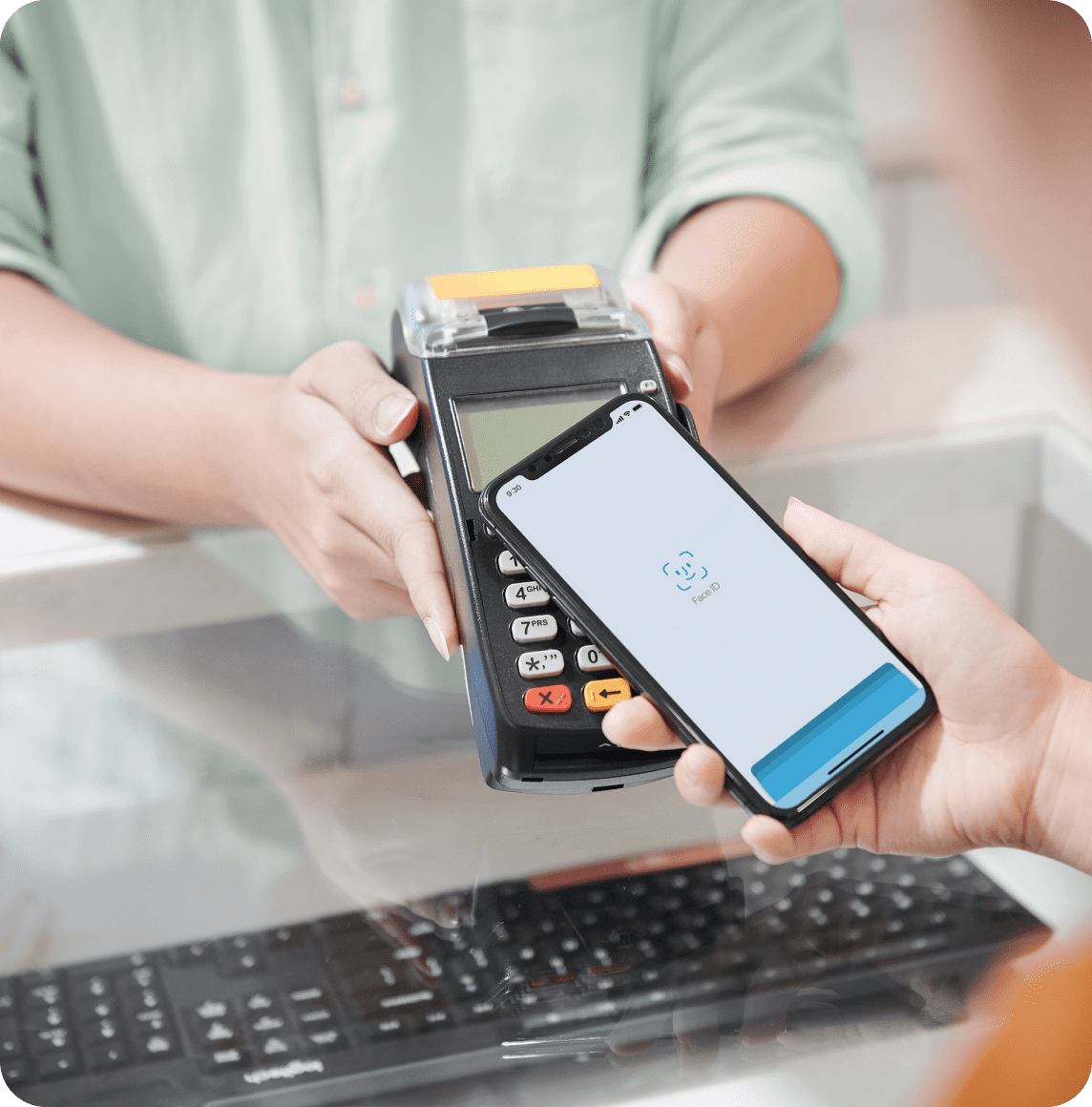
You add an eligible payment card to ChatGPT Wallet once. Then, inside a conversation with a dot, you ask for something — "Help me find a new sweater" or "Book me a hotel for my trip to Chicago next weekend" are OpenAI's own examples. The dot searches, compares options, and prepares the purchase. Before anything is charged, you see the items, the total, and the card, and you approve the purchase with Face ID or a fingerprint.
That approval step is the whole security model in miniature. The dot does the legwork — searching, comparing, form-filling — and the human does the one thing that should never be delegated casually: saying yes to the money leaving. Every purchase requires that check, individually. There is no "approve everything from now on" switch at launch.
Dots are the always-on agents OpenAI introduced on September 29, 2026: each has its own cloud computer and browser, runs on GPT-6 Astra, and connects to more than 4,000 apps. Wallet only works inside a dot conversation, not in ordinary Chat, Work, or Codex threads — and dots can also reach your email, calendar, and apps. A wallet on an agent with that much context is a new kind of buyer: it knows your size, travel dates, and budget, and now it can act on them.
The security model, read honestly
The headline promise — the agent never sees your real card details — rests on tokenization, the same technology behind Apple Pay and Google Pay. Your card number is replaced with a token that is useless outside the transaction it was issued for, so even if something in the chain is compromised, the number is not sitting in a chat log or an agent's memory. Combined with a biometric approval on every purchase, this is a serious design — and clearly why the card networks signed on.
But approval is not the same as understanding. A Face ID prompt shows you the total and the card, and you tap yes — but it does not guarantee you read the shipping terms, the return policy, or the size chart the dot picked. The friction that used to protect you at checkout is exactly the friction this removes. Convenience and carelessness share the same door.
There is also a second stage coming. The wallet terms effective November 12 allow for prior authorization — standing permission for an agent to pay within rules you set — and OpenAI says it plans to let users hand purchases fully to an agent within spending limits, categories, or time periods. That is not available yet, and no date has been given. But the direction is clear: today's "approve every purchase" is a stepping stone toward "approve a budget and let the agent spend inside it." That future is where the real risk conversation lives, and it is worth having before it arrives.
Finally, liability sits where it always sat: the terms place it on the user, the merchant, and the card issuer. The agent is not a legal person and cannot be blamed for a bad buy. If your dot orders the wrong hotel, the dispute is yours, the merchant's, and the bank's — with the same slow machinery as any other card dispute.
What is missing at launch
A launch this narrow leaves a long list of honest gaps. The biggest is geography and tier: US Pro subscribers only, for now, with no timetable for anyone else. If you run a store outside the United States, or your customers are on Plus or free plans, this changes nothing for you today — but it tells you what is coming.
The second gap is merchant coverage. OpenAI named no specific merchant partners for Wallet, and the feature will not work on sites that block AI agents. That is a bigger caveat than it sounds. A growing number of sites already block automated browsing in their robots.txt or behind bot-detection walls, and a dot checking out is, from the site's point of view, a bot with a credit card. OpenAI has published a Commerce Partner Playbook asking merchants to opt in deliberately. But until a critical mass of stores welcomes dots, the wallet will work in some places and silently fail in others.
The third gap is the one nobody can measure yet: reliability. An agent that can browse, compare, and pay is an agent that can also misread a price, pick the wrong variant, or double-order. OpenAI's own framing — learn from real-world use, then expand — is an admission that the first months are a live test. The biometric check catches the amount, not the mistake.
What this means for WordPress and Elementor site owners
I run a WordPress site and build them for other people, so my question is not whether ChatGPT Wallet is clever. It is whether the stores I build are ready for a buyer who is not a person.
First, agentic shoppers are a real customer segment now, and they behave differently. A human browses, hesitates, and abandons a cart. An agent arrives with a brief — "find a blue sweater, size medium, under $60" — and executes it. So product data matters more than the product page: clear titles, accurate variants, honest prices, structured data a machine can read. These were SEO best practice yesterday; they are checkout infrastructure today. If your WooCommerce store hides prices behind JavaScript or has messy variants, a human will cope and an agent will move on.
Second, the bot-blocking question is no longer abstract. If your site blocks AI agents — in robots.txt, a security plugin, or behind a challenge page — a dot cannot buy from you. Some owners will choose that deliberately, and that is legitimate: agent traffic is hard to tell from scraper traffic. But it is now a business decision with a price tag, not a default security setting. Make it consciously, with an allowlist for known agent user-agents, rather than discovering it when a customer complains.
Third, checkout friction is about to be renegotiated. We spent years optimizing checkout for humans: fewer fields, guest checkout, one-click pay. An agent does not care about fields — it fills them instantly. What it cares about is predictability: a standard flow, no surprise steps, no CAPTCHA wall at the payment step, no "create an account to continue" ambush. The stores that win agentic orders will be the ones whose checkout a machine can complete.
Fourth, trust and transparency become the product. A human buyer sees your store, reviews, and return policy. An agent buyer sees a summary of them, filtered through the model. Stores that publish clear, machine-readable policies — shipping times, return windows, warranty terms — will be the ones an agent recommends. Stores that bury terms in a PDF will be the ones it skips, or worse, misrepresents.
One caution from this same week: on November 12, Microsoft 365 went down worldwide, taking the email and calendar connectors for ChatGPT and Claude down with it. Agents are only as reliable as the services they connect to — so build stores that fail gracefully when the agent cannot complete the order, and keep the human checkout path working beautifully, because humans are still doing almost all of the buying.
What I would do with it this week
If you are a Pro subscriber in the US, try it on something small and reversible — a book, a household item — and watch the flow closely. Check what the dot shows you before the biometric prompt, and whether the confirmation email matches what you thought you bought. That one test will teach you more than any launch coverage.
If you run a WooCommerce or Elementor store, do three things this week. First, audit your robots.txt and security plugin settings and decide, deliberately, whether AI agents may browse and buy. Second, clean up your product data: one accurate price, clear variants, real stock status, structured data on every product page. Third, walk your own checkout as a machine would — no account, no cookies, no patience — and fix every step that requires a human to improvise. None of this is wasted work if agentic commerce stalls.
The honest verdict: ChatGPT Wallet is a small launch with a large shadow. Today it is a narrow rollout reaching a slice of American Pro subscribers. But its shape — tokenized payment, biometric approval on every order, a roadmap toward delegated spending inside limits — is the shape of how online shopping will work. The agent that can pay is the agent that can be a customer, and customers are what our stores are for.
Conclusion: the checkout page just got a new kind of visitor
For as long as I have built websites, the checkout page had one kind of visitor: a person, with a card, making a decision. ChatGPT Wallet adds a second: an agent, with a token, executing a decision someone else already made. The first purchase will feel like a novelty. The hundredth will feel like infrastructure. The stores that are ready — clean product data, open but guarded doors, a checkout a machine can finish — will take those orders without noticing. The stores that are not ready will lose them without ever seeing the visitor.
Until then, the practical advice is simple: if you can use it, test it on something small. If you sell things, make your store buyable by something that is not a person. The agent economy is not a prediction any more. It has a wallet, and it is already shopping.
FAQ
What is ChatGPT Wallet?
ChatGPT Wallet is a payment feature OpenAI launched on November 13, 2026. It lets the company's always-on "dots" agents complete purchases on your behalf, paying with a token that stands in for your real card number, with a Face ID or fingerprint check required for every purchase.
Who can use ChatGPT Wallet right now?
At launch it is rolling out gradually to ChatGPT Pro subscribers in the United States who are 18 or older and hold an eligible US-issued card. OpenAI has given no date for ChatGPT Plus, Business, or free users, or for any country outside the United States.
How does ChatGPT Wallet keep my card safe?
Your real card number is tokenized — the agent pays with a token, never sees your actual card details — and every purchase requires your biometric approval before the money moves. The wallet was built with American Express, Mastercard, and Visa, and card rewards and dispute protections carry over for eligible disputes.
What are "dots" in ChatGPT?
Dots are OpenAI's always-on agents, introduced on September 29, 2026. Each dot has its own cloud computer and browser, is powered by GPT-6 Astra, and can connect to more than 4,000 apps. Wallet only works inside a conversation with a dot, not in ordinary Chat, Work, or standalone Codex threads.
Can a dot buy from any website?
No. Wallet will not work on sites that block AI agents, and OpenAI named no specific merchant partners at launch. It published a Commerce Partner Playbook for retailers, and coverage depends on merchants welcoming agent traffic.
Will I be able to let my dot spend without approving every purchase?
Not yet. OpenAI says it plans to let users delegate purchases to an agent within set parameters such as spending limits, categories, or time periods, but that is not available at launch and no date has been given. Today, every purchase needs your individual approval.
Sources: Reuters, "OpenAI launches ChatGPT Wallet, letting AI agents pay for purchases," November 13, 2026; TechCrunch, "ChatGPT's new Wallet lets AI agents shop and check out for you," November 13, 2026; OpenAI, "Introducing ChatGPT Wallet," November 13, 2026; OpenAI, "Making purchases with ChatGPT Wallet" support documentation; OpenAI, "ChatGPT Wallet terms," November 12, 2026; 9to5Mac launch coverage, November 13, 2026; The Verge via syndicated launch reporting, November 13, 2026.