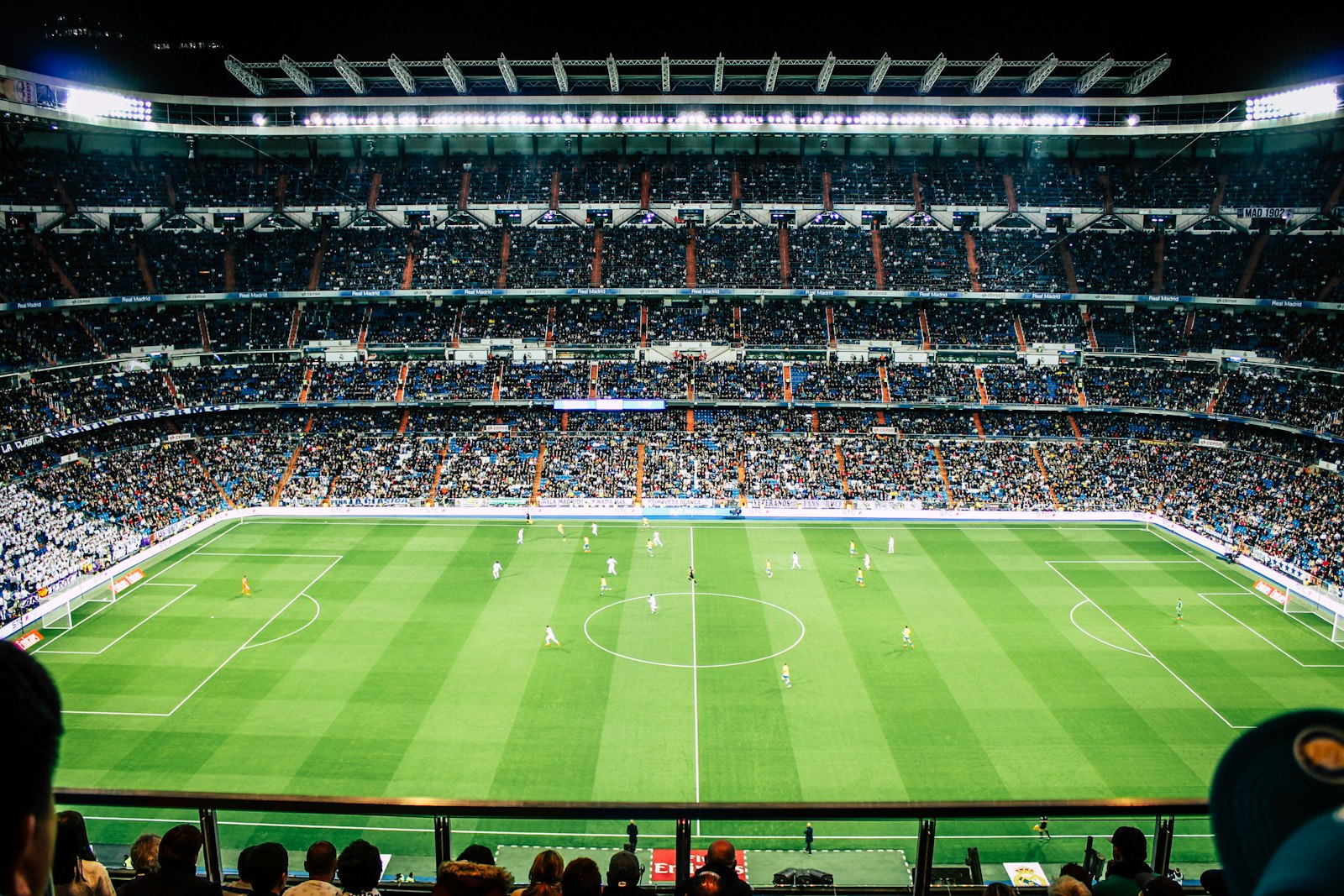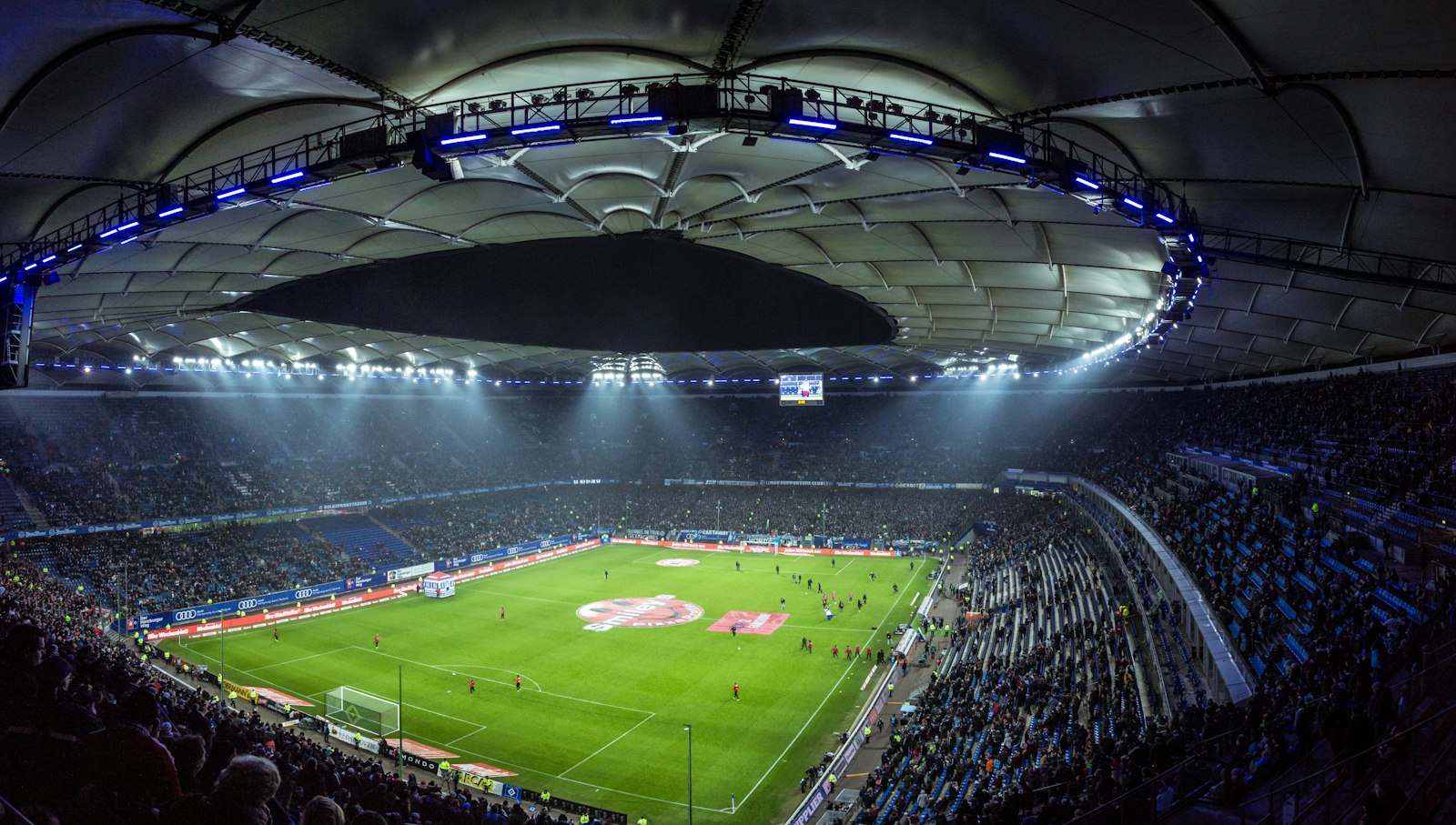
Here is the first thing I learned while following the 2026 World Cup: this was not a tournament you could watch from one place. Sixteen stadiums in sixteen cities across three countries, from Vancouver to Miami, from Mexico City to Boston. The teams flew thousands of miles between games. The fans who tried to follow their team everywhere came home exhausted and broke. And the stadiums themselves told the story of the tournament better than any highlight reel — because this World Cup was played almost entirely in American football stadiums, with all the quirks that brings.
The tournament ran from June 11 to July 19, 2026, with 104 matches. The United States hosted 11 of the 16 venues and 78 of the matches, including every game from the quarter-finals onward. Mexico had three venues, Canada had two. FIFA stripped the commercial names during the tournament — so AT&T Stadium became Dallas Stadium, Mercedes-Benz Stadium became Atlanta Stadium, and MetLife Stadium became New York New Jersey Stadium — but everyone still called them by their real names. Here is every venue, what it hosted, and what I made of it.
The two that mattered most: Azteca and MetLife
Let me start with the two stadiums that bookended the tournament, because they could not be more different. Estadio Azteca in Mexico City hosted the opening match on June 11, Mexico beating South Africa 2-0, and with it became the first stadium in history to host three World Cups — 1970, 1986 and now 2026. The Azteca is where Pelé won his third World Cup and where Maradona scored the Goal of the Century. It holds around 83,000 people, it sits at 2,200 metres above sea level, and it is the only venue in this tournament with that kind of soul. FIFA called it Mexico City Stadium during the tournament. Nobody else did. Five matches were played there, and the opening night atmosphere was, by every account I read and watched, the best of the group stage.
At the other end, MetLife Stadium in East Rutherford, New Jersey, hosted the final on July 19 — Spain beating Argentina 1-0 after extra time, Ferran Torres scoring in the 106th minute. MetLife is the home of the NFL's New York Giants and New York Jets, it holds around 82,500 people, and it hosted eight matches in total, including five group games, a round of 32, a round of 16 and the final. It is a big, modern, slightly corporate bowl, and it did its job: the final was played in front of a full house with the president in attendance. But I will be honest — as a football venue it never had the Azteca's character, and it showed in the atmosphere. The final was a cagey, tense 0-0 for 90 minutes, and the stadium felt more like a stage than a cauldron. That is not MetLife's fault. It is just what happens when you play the biggest game in football in a stadium built for a different sport.
The American giants: Dallas, Atlanta, Los Angeles
The biggest stadium in the tournament, by capacity, was AT&T Stadium in Arlington, Texas — home of the Dallas Cowboys, holding around 94,000 people in its World Cup configuration, which made it the largest venue FIFA has ever used. It hosted nine matches, more than any other stadium, including a semi-final — France losing 0-2 to Spain on July 14. AT&T has a retractable roof and a video board the size of a small building hanging over the pitch, and it is genuinely one of the most impressive buildings in world sport. It is also, famously, a stadium where the pitch sits in a pit and the sightlines from the upper deck are a long way from the action. Fans I heard from loved the scale and grumbled about the distance. That is the trade-off with these NFL cathedrals: they are enormous, and enormity has a cost.
Atlanta's Mercedes-Benz Stadium hosted eight matches, including the other semi-final — England losing 1-2 to Argentina on July 15. It holds around 75,000, it has a retractable roof that opens like a camera aperture, and it is one of the few NFL stadiums that was designed with football in mind, with a proper rectangular pitch and good sightlines. Of all the American venues, Atlanta was the one that felt most like a football stadium, and it showed in the atmosphere during the semi-final.
SoFi Stadium in Inglewood, Los Angeles, hosted eight matches. It holds around 70,000, expandable toward 100,000, and it is one of the most expensive stadiums ever built — a fixed translucent canopy, a giant oval video board, and a pitch that sits below ground level. Los Angeles also staged 39 days of fan celebrations around its matches, the longest fan festival programme of any host city. SoFi looked spectacular on television. The football, in a stadium built for the Rams and Chargers, was played on a temporary grass surface, which is a sentence that tells you most of what you need to know about staging a World Cup in NFL stadiums.
The rest of the United States: eight more venues, eight different stories
The other eight American venues each had their own character. Arrowhead Stadium in Kansas City, home of the Chiefs, holds around 69,000 and is famous for being the loudest stadium in the NFL — it was the most old-school, open-air venue in the tournament, and the one where the weather actually mattered. Hard Rock Stadium in Miami, around 65,000, hosted the third-place match on July 18, when England beat France 6-4 in a ten-goal thriller. Miami's heat and humidity were a genuine factor all tournament, and the third-place game turned into the most entertaining match of the knockouts partly because both teams had stopped defending in it.
NRG Stadium in Houston, Lincoln Financial Field in Philadelphia, Levi's Stadium in Santa Clara for the San Francisco Bay Area, Lumen Field in Seattle, and Gillette Stadium in Foxborough for Boston made up the rest. Lumen Field was the one I heard the most about from travelling fans — Seattle's supporters are famously loud, the stadium has a roof that traps the noise, and it was one of the best atmospheres in the group stage. Gillette, an hour outside Boston in Foxborough, was the hardest to reach and the most criticised for transport. Levi's, in Santa Clara rather than San Francisco itself, had the same problem in a different form: a beautiful modern stadium, forty miles from the city it is named after. That was the running joke of this World Cup — the stadiums were world-class, but half of them were not actually in the city on the ticket.
Mexico's three: history, heat, and home advantage
Mexico's three venues were the most football-shaped grounds in the tournament, and it showed. Estadio Azteca I have already covered — five matches, the opener, history in every corner. Estadio BBVA in Monterrey, home of the Rayados, holds around 53,500 and hosted four matches. It is a modern stadium with a mountain backdrop that looks unreal on television, and it was one of the best-looking venues in the whole tournament. Estadio Akron in Guadalajara, home of Chivas, holds around 48,000 and also hosted four matches. Guadalajara is Mexico's football heartland, and the atmosphere there was the closest thing to a proper football crowd that this tournament produced outside the Azteca.
Mexico's home advantage was real, too. The opening match at the Azteca was a genuine home game in a way almost no other team in the tournament enjoyed, and Mexico's altitude — Mexico City sits at 2,200 metres — was a factor every visiting team had to deal with. That is part of why the Azteca has hosted three World Cups: it is not just a stadium, it is an advantage.
Canada's two: small, loud, and stretched
Canada's two venues were the smallest in the tournament, and I think that was a good thing. BMO Field in Toronto, home of Toronto FC, held around 45,000 after a temporary expansion for the tournament — the smallest World Cup stadium — and hosted six matches, including Canada's opening match on June 12 against Bosnia and Herzegovina. It was the most intimate venue in the tournament, and the most football-shaped: a proper soccer stadium, not a converted NFL bowl, and the atmosphere reflected it.
BC Place in Vancouver, holding around 54,000 under its retractable roof, hosted seven matches including a round of 16 tie. It is a domed stadium with an artificial surface history — FIFA laid grass for the tournament — and it was the venue where the tournament's geography was most obvious: Vancouver is a five-hour flight from Toronto, and the two Canadian venues were further apart than most European countries are wide.
What the stadiums taught me about this World Cup
Here is my honest verdict on the venues. The football was played in stadiums built for a different sport, and mostly it worked, because American stadiums are so big and so well-equipped that they can absorb a World Cup without much trouble. The capacities were enormous — more than 1.1 million seats across the 16 venues — and the tournament sold around 6.5 million tickets. But the trade-offs were real: temporary grass pitches, long distances from city centres, and atmospheres that ranged from electric in Toronto and Guadalajara to corporate in New Jersey.
The two venues I would go back to tomorrow are the Azteca and BMO Field — the oldest and the smallest, the one with the most history and the one that felt most like football. The two I would least want to watch a final in are the ones that hosted the final and the semi-finals, and that is not a coincidence. The biggest stadiums gave the tournament its scale. The smallest ones gave it its soul. If FIFA ever does a three-country World Cup again, I hope it remembers that.
Conclusion
Sixteen stadiums, three countries, 104 matches. The Azteca hosted its third World Cup and the opener. MetLife hosted the final and Spain's extra-time win. AT&T in Dallas was the biggest venue ever used at a World Cup, with nine matches including a semi-final. Toronto's BMO Field was the smallest and, by most accounts, one of the best atmospheres. The venues were the story of this tournament as much as the football — because a World Cup spread across a continent is a different event from one played in a single country, and the stadiums are where that difference showed up every single day.
Frequently Asked Questions
Which stadium hosted the 2026 World Cup final?
MetLife Stadium in East Rutherford, New Jersey — called New York New Jersey Stadium during the tournament — hosted the final on July 19, 2026, where Spain beat Argentina 1-0 after extra time. It hosted eight matches in total.
Which stadium hosted the opening match of World Cup 2026?
Estadio Azteca in Mexico City, on June 11, 2026, where Mexico beat South Africa 2-0. It became the first stadium to host three World Cups, having also staged the finals in 1970 and 1986.
What was the biggest stadium at the 2026 World Cup?
AT&T Stadium in Arlington, Texas (Dallas), with around 94,000 capacity in its World Cup configuration. It hosted nine matches, the most of any venue, including a semi-final.
What was the smallest stadium at the 2026 World Cup?
BMO Field in Toronto, Canada, at around 45,000 capacity after a temporary expansion. It hosted six matches, including Canada's opening game.
How many stadiums hosted World Cup 2026 matches?
16 stadiums in 16 cities across three countries: 11 in the United States, three in Mexico and two in Canada. FIFA used non-commercial names for all venues during the tournament.
Which stadiums hosted the 2026 World Cup semi-finals?
AT&T Stadium in Dallas hosted France 0-2 Spain on July 14, and Mercedes-Benz Stadium in Atlanta hosted England 1-2 Argentina on July 15, 2026.